

BJJ Culture: Belonging vs. Fitting In
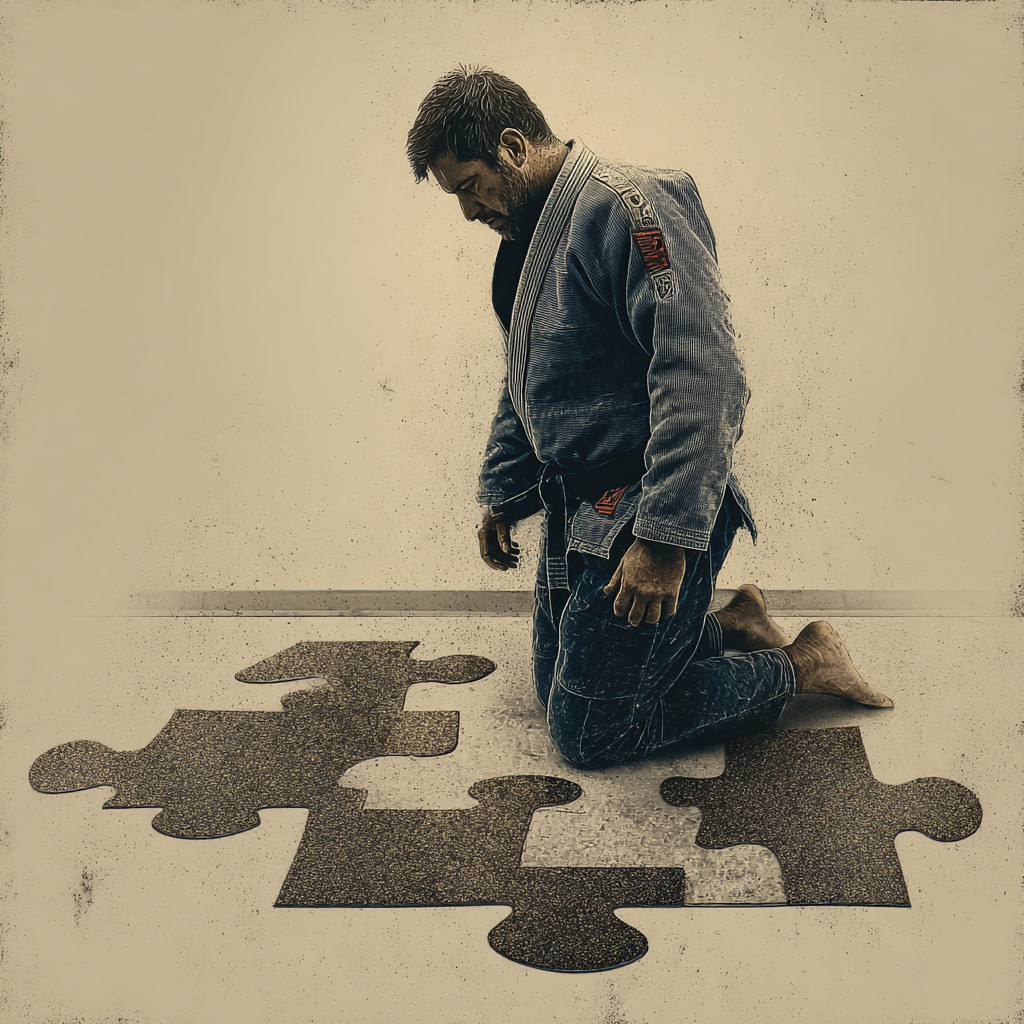
Princeton BJJ was founded on a simple belief: everyone deserves a place to train, regardless of where they are in their journey or where they come from. That belief was born from my own experience: loving the game, traveling the world, wanting to be part of something, and repeatedly finding the door closed.
BJJ has a long history of ostracizing those who don’t fit the mold. Old school culture carried values you might recognize from darker places:
- Wear our colors
- Trust only our people
- Don’t train elsewhere
- Don’t accept outsiders
- Honor your elders
- Serve your time
These values trap people in the legacy they’ve bought into, breeding entitlement and corrosive power dynamics. In schools that operate this way, newcomers learn quickly to kowtow to senior students — blunting who they are just to be quietly accepted. And while rank and time on the mat are genuinely meaningful, they aren’t the whole picture. A student who has been around longest isn’t automatically contributing most. Seniority without generosity, without investment in the people coming up behind you, isn’t leadership — it’s just waiting for power to be handed down.
PBJJ was built as the antithesis to that model. It was built for outsiders, for people like me who wanted to learn and belong but were turned away for not being “pure” enough, for arriving with different habits or ideas that challenged established and often abusive hierarchies. Here, meritocracy, credibility, and integrity matter as much as rank and time. The culture is more important than any individual sitting atop it.
It took sixteen years to articulate this clearly. That delay came at a cost: when we don’t examine our own values, we act them out without understanding them, and we can’t always explain to others what we’re building or why. But I’m fairly certain that most people who have come through our doors felt it, even if they couldn’t name it: a place where you could show up at any point in your journey, be welcomed, be helped, and be allowed to express yourself.
There is often a challenge that everyone will be confronted with. Once you settle in, make friends, and become part of the community, it requires active self-reflection to keep the door open for the next person. The belonging you found here wasn’t accidental, it was built and maintained. You are now part of maintaining it. The risk is that without noticing, you become the thing that once excluded you: hardened into rank and file, expecting others to fit in rather than holding space for them to belong.
At PBJJ, we try to live the old code in reverse:
- Wear what you like
- People are worth trusting — give them the chance
- Cross-pollinate, learn from everyone
- Welcome outsiders
- Honor everyone
- We’re glad to be part of your journey, wherever it takes you
This isn’t a perfect model. But it is a deliberate one, and one that sets us apart from standards we’d otherwise be expected to inherit. Some parts of this experiment will fail. The hope is that it keeps breathing life into practitioners who need a different kind of door to walk through.