

The Gift of Constraints: Making the Lateral Move
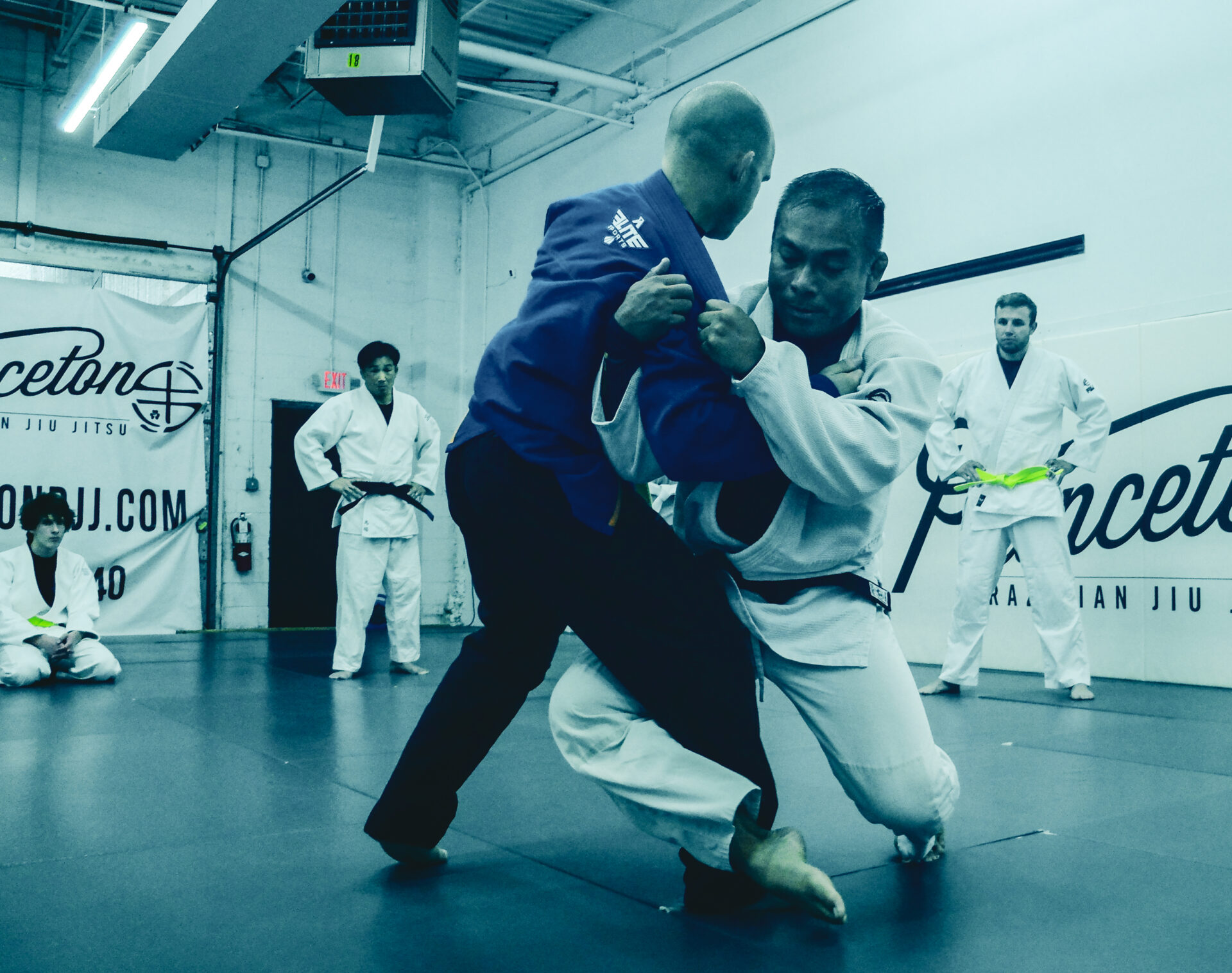
The shockwave reverberated from my lower ribs up toward my sternum, and just behind it followed the slower, sharper awareness of what had gone wrong.
A small piece of cartilage, about the size of a quarter, had failed. That cartilage had one job, and it had done it well for thirty-nine years: keep my eighth rib on the right side of my chest anchored to its neighbors. An innocuous half-guard sweep feint was the last straw. The rib had decided it was moving to a new neighborhood.
I stopped rolling immediately and stood up, took some deep breaths. The pain wasn’t so bad, which told me how lucky I was. Now I finally had another pokey rib to match the one on my left side – a souvenir from getting stacked at my first jiu jitsu competition. That one was so excruciating I could barely stand, and getting into a car for the drive home was pure agony.
The car ride home this time was more comfortable, but the frustration was the same. It had been a spectacular Sunday morning of training. An hour of judo in which my randori felt crisp. I was riding the high into a few rounds of jiu jitsu before my wife arrived and dropped off our one-year-old son. And then, pop. I drove in silence and weighed the prospects of a long recovery as Ansel cooed behind me in his car seat.
For most grapplers, injuries incite an inner battle far less interesting and far more grueling than the outer one on the mats. Suddenly, against our will, we’re separated from the pursuit we love and confronted with the unknown: How long will this separation last?
During my first go-around with this injury, the answer was zero days. I was a blue belt in my late twenties, which means I had the requisite stupidity to train through a far more painful version of this same injury. I was rewarded for my stupidity with a much longer recovery. And I’m reminded of that stupidity every time I’m paddling a surfboard and the head of that rib grinds my skin against the board. I was younger then, unwilling and unable to accept constraints.
Things are, mercifully, different now. In the days after the injury, and with the help of my PT, I began to take stock of what I could and couldn’t do. Running felt fine. Most of my major lifts didn’t provoke any pain. But twisting movements were excruciating, and the prospect of someone falling on me or pressuring my sternum made me wince. What can I do with this, I wondered.
First, I tried further developing my grip-fighting game in judo. But the problem with grip fighting is that your partner is always fighting back! A few grip-fighting battles during a Sunday session set me back a week or two in the recovery process. Fine, I thought. I surrender. I’ll develop some ashi waza (foot techniques).
Over the next few weeks, while my training partners were gleefully throwing each other around, I stood off on the sidelines sliding cones with my feet. Their sidelong glances and smirks told me everything I needed to know. But I kept practicing, doubtful whether there would be any fruits to my labor. Sliding cones around and practicing footwork are not the same as dealing with someone who’s trying to sky and bury you.
Jiu jitsu returned first. The rib tolerated the pressure of ground work, as long as I stuck to positions and partners that didn’t overly compromise it. But judo was slower to return. I eased back into randori with my A game inaccessible. I was largely playing defense, working for good grips, and now trying to foot sweep the room.
One day, the first body dropped. I connected on a deashi harai, and the sound of flesh and bone meeting tatami was as beautiful as Beethoven’s Ninth. Later that week, I was sparring with my coach, Jon Andes, and I nearly caught him with one. His smile told me everything I needed to know.
Finally, the rib was stable enough for a full return. My whole Jiu Jitsu and feeble judo arsenal was back at my disposal. In randori, one of my more exuberant training partners rushed me with a flurry of attacks, which I patiently absorbed. I waited for another burst of activity, stepped to the side, and planted him with a perfectly timed foot sweep. All of that silly solo cone work vindicated.
Would I have developed this aspect of my game had I not been constrained by an injury? Probably not. Foot sweeps seemed boring to me. I would much rather harai goshi someone into another dimension. But this injury — like all injuries — contained a gift: the constraint itself, and the adaptation it forced.
Each of us carries our own constraints to the mat: Some of us are too tall, too short, too stiff, too weak, too slow, too old. The list is endless. And our instructors are even insistent on creating constraints while we’re training: sweeps only, just defend the back-take, start from mount. We can frame any and all constraints, including injury, as pain and annoyance to endure, or an opportunity to make lateral moves.
So far, I’m learning that the most effective foot sweeps happen to begin with a lateral move.