

The Compound Effect of Doing the Right Work
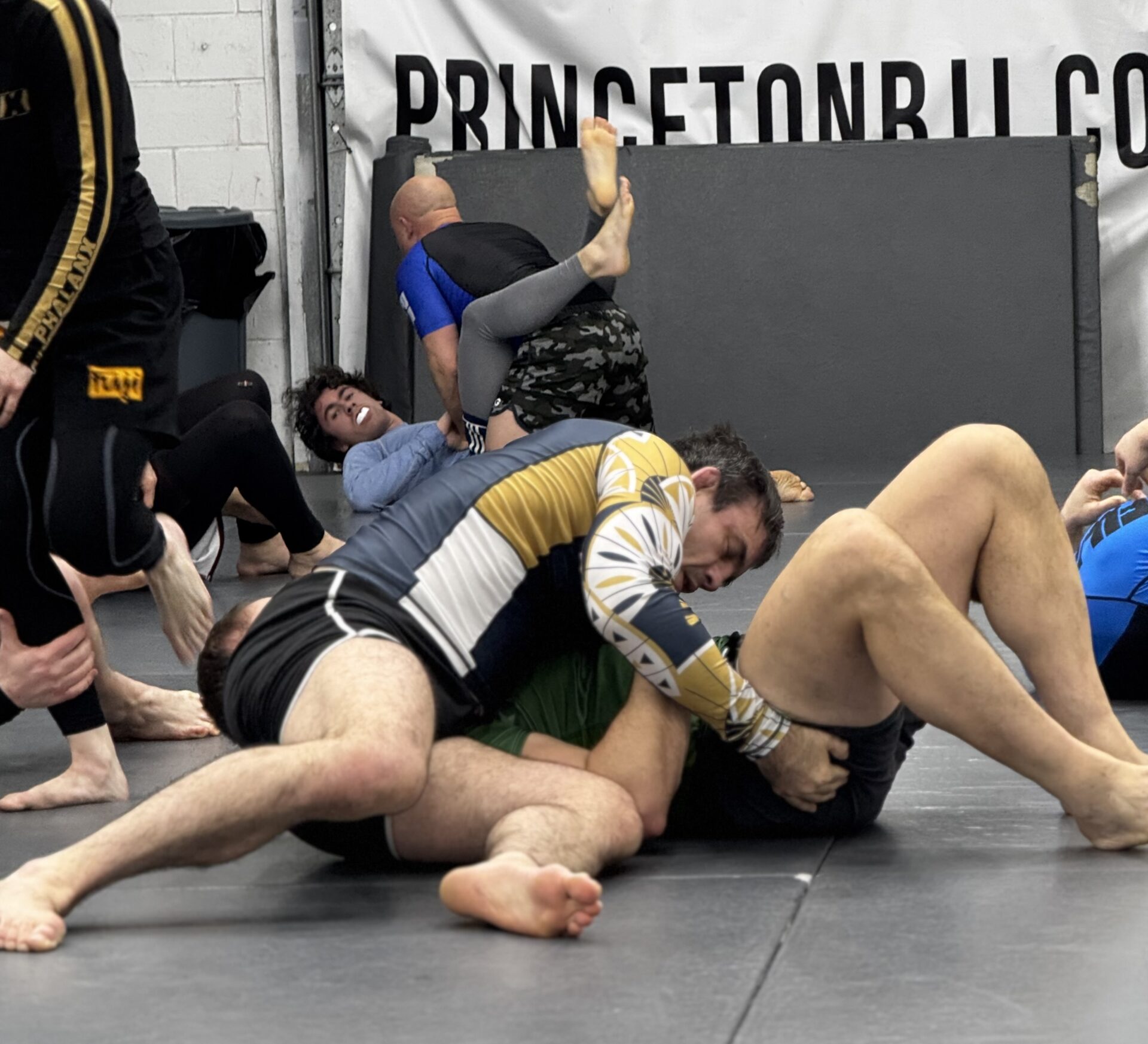
Everyone who trains has a practice — a recurring commitment to show up. You come to the mat, you put in the hours, you return. A practice is the container. It’s what separates “I do jiu-jitsu” from “I have a jiu-jitsu practice.” It implies continuity. Identity. The rhythm that makes growth possible.
But showing up is only the container. What you put inside it matters more.
Anders Ericsson coined the term deliberate practice to describe a specific quality of attention: practice that is intentional, targeted at the edge of your current ability, and informed by feedback. It’s the difference between rolling for an hour on autopilot versus isolating a specific guard retention problem, drilling it with focused awareness, and adjusting based on what you feel. Josh Waitzkin calls this “making smaller circles” — refining a technique until the macro lives inside the micro. Deliberate practice is uncomfortable by design. It lives in the gap between what you can do and what you’re reaching for.
This distinction matters because of what happens over time. Small, consistent, targeted inputs accumulate nonlinearly. You drill a hip escape for weeks and feel no different. But those micro-gains are stacking. Then one day your escape is just there — reflexive — and it unlocks a chain of downstream possibilities you couldn’t access before. In BJJ this is especially vivid because skills don’t just add; they multiply. A 5% improvement in frames plus a 5% improvement in timing doesn’t give you 10% better guard retention. It gives you something qualitatively different.
This is the compound effect. And it only works when the inputs are deliberate.
We often look at someone who has accomplished something extraordinary and attribute it to giftedness — they were born special. And that may be true in some cases. But far more often, exceptional performers became exceptional because they applied themselves to the right kind of work over a long period of time. The word cultivate comes from the Latin cultivare — to till, to tend, to labor over growth. Mastery is grown, not granted.
Here’s what I find both challenging and hopeful about this: becoming good at something is more accessible than most people realize once you actually define what’s involved. The hard part is rarely the knowledge. It’s the honesty. You may have identified a practice but find the deliberate part — the part that asks you to work at your edges, not within your strengths — genuinely unpleasant. Most people dislike feeling inadequate. So they stay where they’re comfortable, and the compound effect never ignites.
But something interesting happens for those who stay in the discomfort. Deliberate practice doesn’t just build skill — it builds resilience as a byproduct. Not resilience as a slogan, but the quiet, structural kind: the capacity to get back up after being knocked down, to stay in the game long after the initial motivation fades. And once you’ve been in the game a long time, doing the right work, stretching at the edges — you look back and realize you’re operating at a depth that’s hard to explain to someone who hasn’t been there. What is a new skill for someone else is second nature to you, freeing you to take on more.
Practice without deliberateness doesn’t compound. The energy scatters — diluted by unconscious sampling, looking for reward before it’s been earned. To get good at anything, you have to be vulnerable enough to learn the lesson, which may include losing. Often.
Greatness is not a coincidence. It is the accumulated effect of someone deeply committed to their practice and willing to learn from many focused wins and losses. The sacrifice may not be visible upfront. But it explains everything in the end.